Clear Aligners vs Braces: Which One Suits You Best?
When it comes to straightening your teeth, you have options. Two popular choices are clear aligners and traditional braces. Both can help you achieve a beautiful, healthy smile, but they work differently and come with their own sets of benefits and challenges. I want to help you understand these options better so you can make an informed decision that fits your lifestyle and dental needs.
Understanding Clear Aligners vs Braces
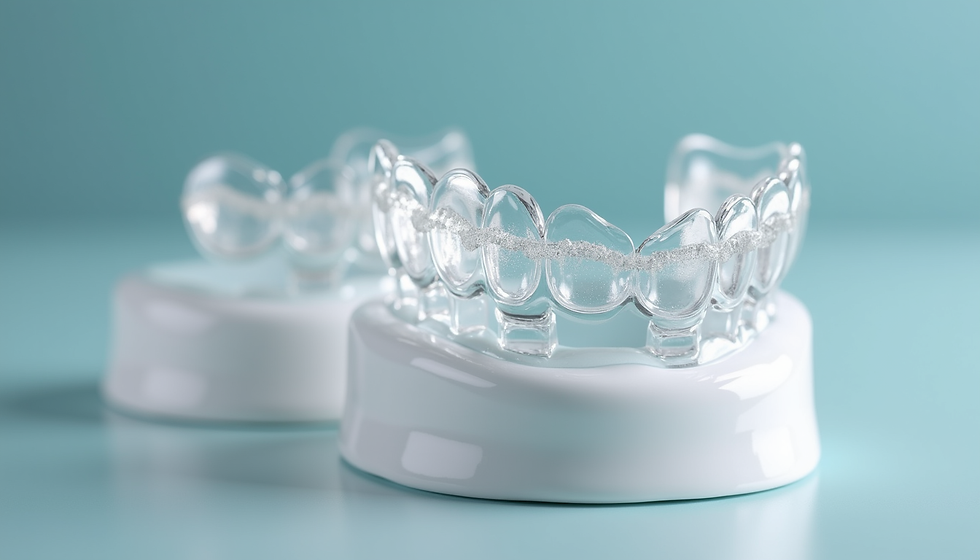
Let’s start by breaking down what each option involves. Traditional braces use metal brackets and wires to gradually move your teeth into place. They are fixed to your teeth and adjusted regularly by your orthodontist. Clear aligners, on the other hand, are removable plastic trays that fit snugly over your teeth. You switch to a new set every couple of weeks to continue the progress.
Both methods aim to correct misaligned teeth, but they do so in different ways. Braces are often recommended for more complex dental issues because they provide precise control over tooth movement. Clear aligners work well for mild to moderate cases and offer the advantage of being nearly invisible.

Pros and Cons of Each
Traditional Braces:
Pros: Effective for complex cases, no need to remember to wear them, usually less expensive upfront.
Cons: Visible metal brackets, can cause discomfort or irritation, dietary restrictions, and more challenging oral hygiene.
Clear Aligners:
Pros: Nearly invisible, removable for eating and cleaning, generally more comfortable.
Cons: Require discipline to wear 20-22 hours a day, may not be suitable for severe cases, can be lost or damaged.
Understanding these differences helps you weigh what matters most to you—whether it’s appearance, comfort, or treatment complexity.
Aligners vs Braces: What to Expect During Treatment
Knowing what your treatment journey looks like can ease any worries. With braces, you’ll visit your orthodontist every 4-6 weeks for adjustments. These visits ensure your teeth are moving as planned. You might experience some soreness after each adjustment, but it usually fades quickly.
Clear aligners require fewer office visits, often every 6-8 weeks. You’ll receive several sets of aligners at once and change them at home. It’s important to wear them consistently to keep progress on track. Since they’re removable, you can eat your favorite foods without worry and brush your teeth normally.
Both treatments typically last between 12 to 24 months, depending on your specific needs. Your dentist or orthodontist will give you a personalized timeline.

Is $5000 a Lot for Invisalign?
You might be wondering about the cost of clear aligners, especially Invisalign, which is a well-known brand. The price can vary widely based on your location, the complexity of your case, and the provider’s fees. On average, Invisalign treatment costs around $3,000 to $8,000.
Is $5000 a lot for Invisalign? It depends on your perspective and budget. Compared to traditional braces, which can range from $2,500 to $7,500, Invisalign is often in the same ballpark. Keep in mind that many dental offices offer payment plans or financing options to make treatment more affordable.
When considering cost, think about the convenience and comfort clear aligners provide. For many, the ability to remove the trays and maintain a natural look during treatment justifies the price.
Caring for Your Smile During Treatment
Whether you choose braces or clear aligners, maintaining good oral hygiene is crucial. Braces can trap food easily, so brushing and flossing take extra effort. Using special tools like interdental brushes or water flossers can help keep your teeth clean.
With clear aligners, you remove the trays to brush and floss normally. However, you should clean the aligners themselves daily to prevent bacteria buildup. Avoid eating or drinking anything other than water while wearing them to keep them clear and fresh.
Regular dental checkups remain important throughout your treatment. Your dentist can spot any issues early and help you keep your smile healthy.
Making the Right Choice for Your Smile
Choosing between clear aligners and traditional braces is a personal decision. Think about your lifestyle, budget, and dental needs. If you want a discreet option and can commit to wearing aligners consistently, clear aligners might be the way to go. If you have a more complex case or prefer a treatment that doesn’t rely on your discipline, braces could be better.
Remember, both options are effective when used properly. You can also discuss your concerns and preferences with your dental professional. They can guide you toward the best solution for your unique smile.
For more detailed information on clear aligners vs traditional braces, feel free to explore trusted dental resources or schedule a consultation.
Embracing Your Journey to a Healthier Smile
Starting orthodontic treatment is a big step, but it’s one that leads to lasting benefits. A straighter smile not only boosts your confidence but also improves your oral health by making cleaning easier and reducing wear on your teeth.
Stay patient and follow your treatment plan closely. Celebrate small milestones along the way, and don’t hesitate to reach out to your dental team if you have questions or concerns.
Your smile is worth the effort, and with the right approach, you’ll enjoy the results for years to come.


This comparison clearly explains the benefits and differences between aligners and traditional braces. For those seeking a discreet and convenient option, clear correct aligners can be an excellent choice for achieving a straighter, healthier-looking smile.
Excellent article! I really appreciated how clearly you explained the pros and cons of braces and aligners without sounding biased. It makes decision-making much easier for patients exploring treatment options. As someone searching for Affordable Clear Aligners Near Me in Australia, this comparison was informative, practical, and genuinely helpful. Thanks for sharing such valuable insights!