The Ultimate Guide to Teeth Whitening Benefits and Options at Your Dental Office
A bright smile can boost confidence and make a lasting impression. Teeth whitening is one of the most popular cosmetic dental treatments because it offers a quick and effective way to enhance your smile. If you have ever wondered about the benefits of teeth whitening or the types of whitening treatments available at your dental office, this guide will provide clear, practical information to help you make an informed decision.

Why Choose Teeth Whitening?
Teeth naturally darken over time due to aging, diet, and lifestyle habits such as smoking or drinking coffee and red wine. Whitening treatments can reverse this discoloration by removing stains and lightening the color of your teeth. Here are some key benefits:
Improved Appearance
Whiter teeth create a more youthful and attractive smile, which can enhance your overall appearance.
Boosted Confidence
Feeling good about your smile can increase self-esteem and encourage more social interaction.
Non-Invasive Treatment
Teeth whitening is a simple procedure that does not require surgery or extensive dental work.
Quick Results
Professional whitening treatments often show noticeable improvements after just one session.
Customizable Options
Treatments can be tailored to your specific needs and sensitivity levels.
Types of Teeth Whitening Available at Your Dental Office
Dental offices offer several whitening options, each with unique features and benefits. Understanding these can help you choose the best treatment for your smile.
In-Office Whitening
This is the fastest and most effective method. A dental professional applies a high-concentration bleaching gel directly to your teeth, often activated by a special light or laser. The process usually takes about 60 to 90 minutes.
Advantages
Immediate results, professional supervision, and customized treatment.
Considerations
May cause temporary tooth sensitivity; higher cost compared to other methods.
Take-Home Whitening Kits
Dentists provide custom-fitted trays and professional-grade whitening gel for you to use at home. You wear the trays for a specified time each day, usually for one to two weeks.
Advantages
Convenience of home use, gradual whitening, and lower cost than in-office treatments.
Considerations
Requires discipline to follow the schedule; results take longer to appear.
Whitening Toothpaste and Over-the-Counter Products
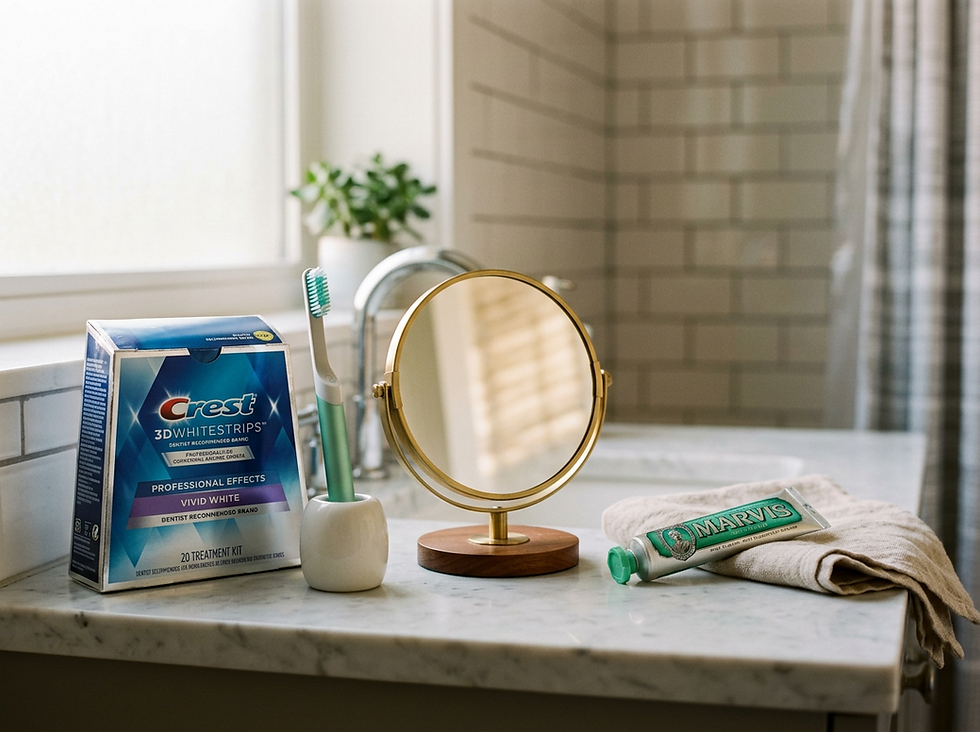
While not as strong as professional treatments, whitening toothpaste and strips can help maintain your smile after professional whitening or provide mild stain removal.
Advantages
Easy to use, affordable, and widely available.
Considerations
Limited whitening power; not suitable for deep stains or significant discoloration.
What to Expect During a Professional Whitening Treatment
When you visit your dental office for whitening, the dentist or hygienist will first examine your teeth to ensure they are healthy and suitable for whitening. They may clean your teeth to remove plaque and surface stains before applying the whitening agent.
During in-office treatments, a protective barrier is placed on your gums to prevent irritation. The whitening gel is applied, and a light may be used to speed up the process. After treatment, your teeth may feel sensitive for a day or two, but this usually subsides quickly.
Tips for Maintaining Your Whiter Smile
After whitening, your teeth can stain again if you do not take care of them. Here are some practical tips:
Avoid foods and drinks that cause staining, such as coffee, tea, red wine, and dark berries.
Quit smoking or using tobacco products.
Brush and floss regularly to keep teeth clean.
Use a straw when drinking staining beverages to reduce contact with teeth.
Schedule regular dental cleanings and checkups.
Who Should Avoid Teeth Whitening?
Teeth whitening is not suitable for everyone. People with sensitive teeth, gum disease, cavities, or worn enamel should consult their dentist before treatment. Whitening does not work on dental restorations like crowns or veneers, so your dentist may recommend other cosmetic options if you have these.
Final Thoughts on Teeth Whitening
Teeth whitening offers a safe and effective way to brighten your smile and boost your confidence. With several options available at your dental office, you can choose a treatment that fits your lifestyle, budget, and dental health. Talk to your dentist about the best whitening method for you and how to maintain your results for a lasting, radiant smile.

Really enjoyed reading this guide! The explanation of different whitening options and their benefits was simple and helpful for anyone thinking about improving their smile. Professional whitening treatments can truly make a big difference in confidence and overall appearance. I also found some great information about Teeth Whitening for people looking to learn more about safe and effective whitening solutions.