TMJ Disorder Relief: Symptoms, Dentist Care, Treatments and Home Pain Tips
Jaw pain can turn simple parts of the day into a challenge. Chewing breakfast, speaking clearly, yawning, or even resting your face on a pillow may feel uncomfortable when the jaw joint is irritated.
TMJ disorders affect the temporomandibular joints, the small but hardworking joints that connect the jawbone to the skull. These joints work with muscles, ligaments, teeth, and nerves, so pain in this area can come from more than one source. That is why getting the right diagnosis matters.
The good news is that many people find relief with a careful plan that may include home care, dental treatment, lifestyle changes, oral appliances, and physical therapy. This guide explains what symptoms to watch for, how a dentist can help, and what steps may ease discomfort safely.
This article is for general education only and is not a substitute for diagnosis or care from a dentist, physician, or other licensed health professional.

What TMJ disorders are and why they hurt
The temporomandibular joint acts like a sliding hinge. It allows the jaw to open, close, move side to side, and move forward. When the joint, muscles, or bite system becomes strained, inflammation and tension can build.
Common causes or contributing factors may include:
Teeth grinding or clenching, especially during sleep
Stress-related muscle tension
A bite that places uneven pressure on the jaw
Jaw injury or trauma
Arthritis in the jaw joint
Poor posture that strains the neck, shoulders, and jaw
Frequent gum chewing or nail biting
Dental problems that change the way teeth meet
TMJ disorders are not always caused by one clear issue. For many people, several small factors add up. A person may clench at night, sit with forward head posture during the day, and chew mostly on one side because of a sore tooth. Each factor can keep the jaw irritated.
That is why a complete evaluation often works better than guessing at the cause.
Common symptoms of TMJ disorders
TMJ symptoms can be mild and temporary, or they can interfere with eating, sleeping, and everyday comfort. Pain may stay near the jaw, or it may spread to nearby areas.
Common symptoms include:
Jaw pain or tenderness
Discomfort when chewing
Pain near the ear without an ear infection
Clicking, popping, or grating sounds when opening or closing the mouth
Limited jaw opening or a jaw that feels stuck
Headaches, especially around the temples
Facial soreness or pressure
Neck and shoulder tension
Tooth sensitivity without an obvious cavity
Changes in how the upper and lower teeth fit together
Ear fullness or ringing in some cases
A clicking jaw does not always mean there is a serious problem. Some people have jaw noises without pain or limited movement. Pain, locking, worsening symptoms, or trouble chewing are stronger reasons to seek care.
If jaw pain is sudden, severe, linked with chest pain, shortness of breath, facial drooping, or injury, seek urgent medical attention.
When jaw pain calls for professional care
Some jaw discomfort improves with rest and gentle home care. Other cases need a professional exam, especially when symptoms last more than a short period or keep coming back.
Schedule a dental evaluation if you notice:
Jaw pain that lasts more than a week or two
Pain that keeps returning
Trouble opening or closing your mouth
A jaw that locks open or closed
Pain when eating normal foods
New tooth pain, cracked teeth, or worn tooth edges
Frequent morning jaw soreness
Headaches linked with clenching or jaw tension
Swelling, fever, or signs of infection
Many people delay care because they hope the pain will pass. Waiting too long can allow clenching habits, muscle tension, and joint irritation to become harder to treat. Early care often gives the dentist more conservative options.
People often search phrases like “Jaw pain dental issues Dentist TMJ” because the symptoms overlap with tooth problems, ear pain, sinus pressure, and headaches. A dentist can help sort out which issue is actually driving the discomfort.

How a dentist helps diagnose TMJ disorders
A dentist plays a key role because the jaw joint, teeth, bite, and chewing muscles all work together. The goal is not just to label the pain. The goal is to understand what is causing it and what type of care is most likely to help.
A dentist starts with a symptom history
The appointment usually begins with questions about the pain and daily habits. The dentist may ask:
When did the pain start?
Is the pain sharp, dull, aching, or pressure-like?
Does chewing, yawning, or stress make it worse?
Do symptoms feel worse in the morning?
Do you grind or clench your teeth?
Have you had a jaw injury?
Do you have headaches, ear symptoms, or neck pain?
Have you had recent dental work or bite changes?
These details help separate joint-related pain from muscle pain, tooth pain, infection, nerve pain, or other conditions.
The exam checks joints, muscles, teeth, and bite
During the exam, the dentist may gently feel the jaw joints and facial muscles to find sore or tight areas. They may listen or feel for clicking, popping, or grinding as the jaw moves.
The dentist may also check:
How wide the mouth opens
Whether the jaw shifts to one side
Areas of muscle tenderness
Signs of tooth wear from grinding
Cracks, broken fillings, or sensitive teeth
Gum or tooth infections
How the teeth come together when biting
Tenderness around the temples and cheeks
This step is important because tooth pain can mimic jaw joint pain. A cracked tooth, abscess, or inflamed gum tissue may cause pain when chewing. Treating the wrong problem can delay relief.
Imaging may be used when needed
Not every TMJ concern requires imaging. If symptoms are mild and the exam points to muscle tension or clenching, a dentist may start with conservative care.
When more information is needed, the dentist may recommend dental X-rays, a panoramic image, or referral for advanced imaging. Imaging can help check the teeth, jawbone, joint structures, arthritis changes, or other issues.
Referrals may be part of good care
TMJ disorders sometimes need a team approach. A dentist may refer to or coordinate with:
A physical therapist
An oral and maxillofacial specialist
A physician
An ear, nose, and throat specialist
A sleep medicine provider
A mental health professional for stress-related clenching support
Referral does not mean the problem is severe. It means the care plan should match the cause.
Treatment options that may relieve TMJ discomfort
There is no single treatment that works for every person. Effective care depends on whether the main issue is muscle tension, joint inflammation, grinding, bite problems, arthritis, injury, or a mix of factors.
Most dentists start with conservative treatments before considering more involved care.
Treatment option | How it may help | Best suited for |
Lifestyle changes | Reduces strain on the jaw joint and muscles | Mild to moderate symptoms, clenching habits |
Dental appliance | Protects teeth and may reduce pressure on the jaw | Night grinding, clenching, tooth wear |
Physical therapy | Improves movement, posture, and muscle control | Jaw stiffness, muscle pain, limited opening |
Medication guidance | Helps manage pain or inflammation short term | Flare-ups, soreness, inflammation |
Dental treatment | Treats tooth or bite problems contributing to pain | Cracked teeth, missing teeth, uneven bite pressure |
Specialist care | Addresses complex joint problems | Locking, injury, arthritis, persistent pain |
Lifestyle changes reduce daily jaw strain
Small changes can make a meaningful difference. During a flare-up, the jaw often needs rest, much like a sprained ankle.
Helpful changes may include:
Eating softer foods for a short period
Cutting food into smaller pieces
Avoiding gum, chewy candy, and hard snacks
Limiting wide yawning or large bites
Keeping teeth slightly apart when not eating
Reducing nail biting, pen chewing, or ice chewing
Improving posture during phone and computer use
The “lips together, teeth apart” position can help many people notice and reduce daytime clenching. The tongue can rest gently on the roof of the mouth while the jaw stays relaxed.
Dental appliances can protect the jaw and teeth
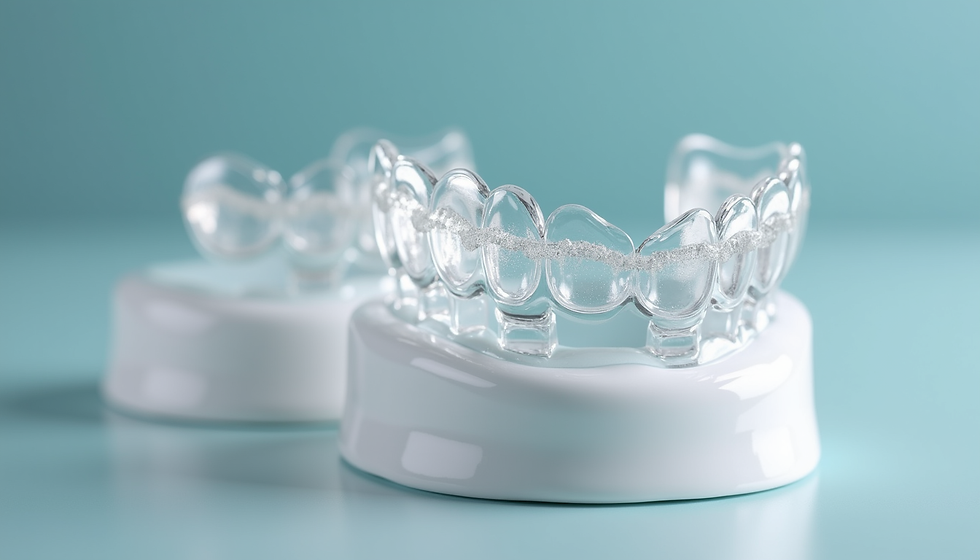
A dentist may recommend an oral appliance, often called a night guard or splint. This device is usually worn during sleep, though some appliances may be used at other times depending on the case.
A properly designed dental appliance may help by:
Reducing damage from grinding
Spreading bite forces more evenly
Giving jaw muscles a more relaxed position
Protecting fillings, crowns, and natural teeth
Helping the dentist monitor grinding patterns
Over-the-counter mouth guards are available, but they may not fit well. A poor fit can sometimes increase clenching or change jaw comfort. A custom appliance from a dentist is made to fit the teeth and bite more precisely.

Therapy can address muscle tension and movement
Physical therapy can be useful when jaw muscles are tight, movement is limited, or posture contributes to pain. A therapist may teach gentle exercises, stretching, posture changes, and relaxation techniques.
Therapy may focus on:
Improving jaw opening and control
Reducing muscle tension in the jaw, neck, and shoulders
Correcting forward head posture
Teaching safe jaw exercises
Reducing habits that overload the joint
Patients should avoid aggressive jaw exercises unless a professional recommends them. Overstretching or forcing the jaw open can make symptoms worse.
Medication may help during flare-ups
A dentist or physician may suggest short-term medication depending on the person’s health history. Options may include over-the-counter pain relievers, anti-inflammatory medication, or other prescriptions when appropriate.
Medication should not be the only plan for recurring TMJ pain. It may calm symptoms, but the underlying trigger still needs attention.
Dental treatment may be needed when teeth contribute to pain
Sometimes, jaw pain improves only after a dental problem is treated. A dentist may find a cracked tooth, failing filling, missing tooth, or bite imbalance that changes how the jaw works.
Possible dental care may include:
Repairing damaged teeth
Replacing missing teeth when needed
Adjusting a restoration that feels too high
Treating gum or tooth infection
Planning restorative care when bite support is poor
Major bite changes or extensive dental work should be approached carefully. A clear diagnosis should come before irreversible treatment.
How to manage TMJ pain at home
Home care can support healing and reduce flare-ups, especially when paired with professional guidance.
Use heat or cold carefully
Warm compresses often help tight muscles. A cold pack may help if the area feels inflamed or tender after heavy chewing.
Try this simple approach:
Use heat for muscle tightness or dull aching
Use cold for swelling or sharp soreness
Apply for short periods with a cloth barrier
Stop if symptoms feel worse
Rest the jaw without locking it still
Rest does not mean avoiding movement completely. Gentle normal movement helps prevent stiffness, but the jaw should avoid heavy work during a flare.
Choose foods such as:
Scrambled eggs
Yogurt
Oatmeal
Soup
Soft pasta
Cooked vegetables
Fish
Smoothies eaten with a spoon instead of a straw
Avoid foods that require long chewing, such as tough meat, bagels, hard crusty bread, sticky candy, and large sandwiches.
Notice clenching during the day
Many people clench without realizing it, especially while driving, concentrating, exercising, or feeling stressed.
A simple check-in can help:
Relax the shoulders.
Let the lips close gently.
Keep the teeth apart.
Rest the tongue lightly against the roof of the mouth.
Breathe slowly through the nose if comfortable.
Place a small reminder note somewhere visible, such as near a mirror or kitchen cabinet. Avoid placing it at an office desk if that setting adds stress.
Support sleep and stress management
Sleep and stress can have a strong effect on jaw tension. While stress does not mean symptoms are “all in your head,” it can keep muscles activated.
Helpful habits include:
Keeping a consistent sleep routine
Limiting caffeine late in the day
Practicing relaxed breathing before bed
Avoiding intense chewing in the evening
Asking a dentist about signs of nighttime grinding
If anxiety, trauma, or chronic stress plays a role, professional support can be a valuable part of treatment.

Key steps for managing TMJ disorders
A clear plan can make TMJ care feel less overwhelming. Start with the least invasive steps and build from there with professional guidance.
Track your symptoms
Write down when pain occurs, what triggers it, and whether symptoms are worse in the morning or evening.
Reduce jaw strain
Choose soft foods, avoid gum, take smaller bites, and keep the teeth apart when resting.
Use safe home comfort measures
Try heat, cold, gentle relaxation, and short-term diet changes.
Schedule a dental exam
A dentist can check the jaw joint, chewing muscles, teeth, bite, and signs of grinding.
Follow a personalized care plan
This may include a custom appliance, physical therapy, dental treatment, medication guidance, or referral.
Return for follow-up
TMJ symptoms can change. Follow-up allows the dentist to adjust the plan, check appliance fit, and confirm that healing is on track.
Professional help is the path to lasting relief
Jaw pain can feel confusing because it may involve teeth, muscles, joints, posture, stress, sleep, or all of these at once. Home care can help calm symptoms, but it cannot always identify the cause.
A dentist can evaluate the full chewing system, rule out tooth and gum problems, check for signs of grinding, and guide treatment that fits the actual source of pain. That professional support can reduce trial and error and help prevent symptoms from becoming a long-term pattern.
If jaw discomfort is affecting meals, sleep, speech, or quality of life, do not wait for it to become severe. Start with gentle home care, then schedule a dental evaluation. The right plan can help the jaw move more comfortably and make daily life feel easier again.


Comments