Understanding Sleep Apnea: How Dentists Diagnose and Design Appliances for Better Sleep
Sleep apnea affects millions of people worldwide, yet many remain unaware of its signs or how it can be treated. This condition disrupts breathing during sleep, leading to poor rest and serious health risks. While many think of sleep apnea as a medical issue handled only by doctors, dentists play a crucial role in identifying and managing it. This post explores what sleep apnea is, how dentists help diagnose it, the dental appliances they create, and how these devices improve sleep quality.

What Is Sleep Apnea?
Sleep apnea is a disorder where breathing repeatedly stops and starts during sleep. The most common type is obstructive sleep apnea (OSA), caused by the relaxation of throat muscles that block the airway. This blockage reduces oxygen flow and causes brief awakenings, often without the person realizing it.
Key Symptoms of Sleep Apnea
Loud, persistent snoring
Gasping or choking during sleep
Excessive daytime sleepiness
Morning headaches
Difficulty concentrating or memory problems
Dry mouth or sore throat upon waking
These symptoms can significantly affect daily life, increasing risks for high blood pressure, heart disease, diabetes, and accidents caused by fatigue.
How Dentists Can Help Diagnose Sleep Apnea
Dentists often see patients regularly and can spot early signs of sleep apnea during routine exams. They look for physical clues in the mouth and jaw that suggest airway obstruction.
Signs Dentists Look For
Enlarged tongue or tonsils
Narrow airway or palate
Receding jaw or small lower jaw (retrognathia)
Teeth grinding or wear patterns
Signs of bruxism (teeth clenching)
Our Dentists may also ask about sleep habits and snoring. If sleep apnea is suspected, we offer further testing for free with our sleep study (polysomnography).
Use of Screening Tools
Some dental offices use questionnaires or portable home sleep tests to screen patients. These tools help identify those at risk and guide referrals.
Dental Appliances for Sleep Apnea
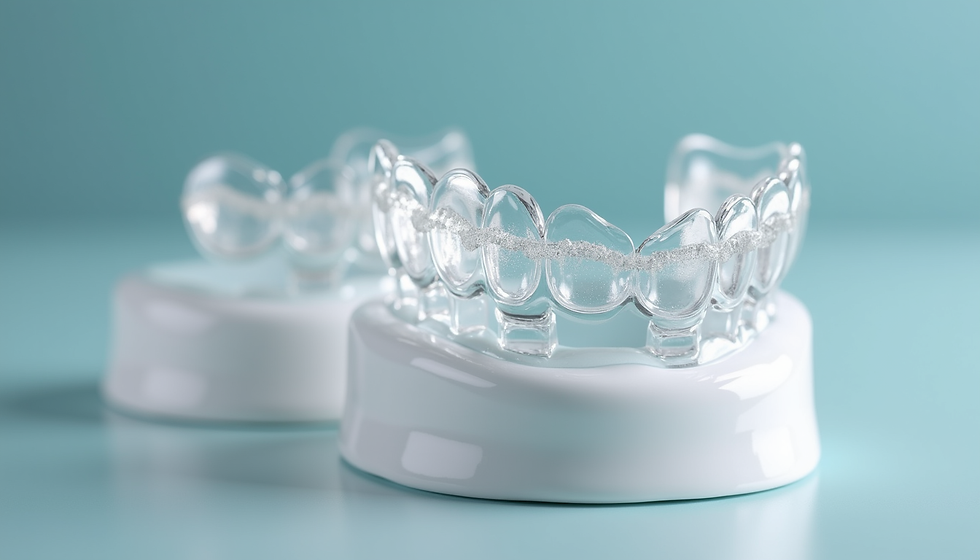
When sleep apnea is mild to moderate, or if patients cannot tolerate a CPAP machine (continuous positive airway pressure), dentists can provide oral appliances. These devices help keep the airway open during sleep by repositioning the jaw or tongue.
Common Types of Dental Appliances
Mandibular Advancement Devices (MADs): These are the most common. They move the lower jaw forward slightly to prevent airway collapse.
Tongue Retaining Devices (TRDs): These hold the tongue in place to stop it from blocking the airway.
Palatal Expanders: Used in some cases to widen the upper jaw and improve airflow.
How Appliances Are Made
Dentists take impressions of the teeth and create custom-fit devices in a dental lab. Proper fit is essential for comfort and effectiveness. Follow-up visits ensure adjustments are made for optimal results.
How Dental Appliances Improve Sleep
By keeping the airway open, these appliances reduce snoring and breathing interruptions. Patients often experience:
Better sleep quality
Reduced daytime sleepiness
Improved concentration and mood
Lower risk of health complications related to sleep apnea
Studies show that oral appliances can significantly improve symptoms for many patients, especially when used consistently.
When to See a Dentist About Sleep Apnea
If you or a loved one experiences loud snoring, daytime fatigue, or other symptoms, talk to your dentist. Early diagnosis and treatment can prevent serious health problems and improve quality of life.
Tips for Discussing Sleep Apnea with Your Dentist
Mention any sleep issues or snoring you notice
Share if you wake up gasping or choking
Discuss daytime tiredness or concentration problems
Ask about screening options or referrals
Final Thoughts on Sleep Apnea and Dental Care
Sleep apnea is a common but often overlooked condition that affects sleep and overall health. Dentists play a vital role in spotting signs early and providing effective treatment options through custom dental appliances. These devices offer a comfortable alternative to CPAP machines and help many people breathe easier and sleep better.
If you suspect sleep apnea, don’t wait. Schedule a dental checkup and start the conversation. Better sleep is possible with the right diagnosis and care. We offer free Sleep Apnea testing and can help you get a better sleep!


Comments