Signs You May Have Sleep Apnea and When to Consult Your Dentist for Relief
- Apr 4
- 4 min read
Snoring is often dismissed as a harmless annoyance, but it can signal a serious health condition called sleep apnea. This disorder disrupts breathing during sleep, leading to poor rest and long-term health risks. Sleep apnea affects not only the person who snores but also their partner’s sleep quality. Recognizing the signs early and seeking appropriate care can improve health and quality of life. Dentists play an important role in managing sleep apnea through specialized oral appliances. This post explains what to look for if you suspect sleep apnea and when to consult your dentist for potential relief.

What Is Sleep Apnea and Why It Matters
Sleep apnea is a condition where breathing repeatedly stops and starts during sleep. The most common type is obstructive sleep apnea (OSA), caused by a blocked airway when throat muscles relax. These pauses can last from a few seconds to over a minute and may occur dozens of times per hour.
Interrupted breathing reduces oxygen levels and fragments sleep, causing daytime fatigue, difficulty concentrating, and mood changes. Over time, untreated sleep apnea increases the risk of high blood pressure, heart disease, stroke, diabetes, and other serious health problems.
Because many people do not realize they have sleep apnea, it often goes undiagnosed. Partners who hear loud snoring, gasping, or choking sounds during the night may notice the problem first.
Common Signs and Symptoms of Sleep Apnea
Recognizing sleep apnea involves paying attention to both nighttime and daytime symptoms. Here are key signs to watch for:
Loud, persistent snoring that disturbs others
Pauses in breathing during sleep, often noticed by a bed partner
Gasping or choking sounds that wake you up
Excessive daytime sleepiness even after a full night’s rest
Morning headaches caused by low oxygen levels
Dry mouth or sore throat upon waking
Difficulty concentrating or memory problems during the day
Irritability or mood swings linked to poor sleep quality
Frequent nighttime urination disrupting sleep
Restless sleep or insomnia
If you or your partner notice several of these signs regularly, it is important to seek medical advice.
When to See a Dentist About Sleep Apnea
Many people think only doctors can diagnose and treat sleep apnea, but dentists are often the first to identify signs during routine exams. Dentists can evaluate your airway, jaw structure, and oral health to determine if you might benefit from a dental sleep appliance.
You should consider consulting a dentist if:
You have been diagnosed with mild to moderate obstructive sleep apnea
You cannot tolerate continuous positive airway pressure (CPAP) therapy, the common treatment involving a mask and machine
You experience snoring that disrupts your or your partner’s sleep
You have jaw or bite issues that may contribute to airway obstruction
Your doctor recommends an oral appliance as part of your treatment plan
Dentists trained in dental sleep medicine can custom-fit oral devices that reposition the jaw and tongue to keep the airway open during sleep. These appliances are less invasive and more comfortable for many patients than CPAP machines.
How Dental Sleep Appliances Work
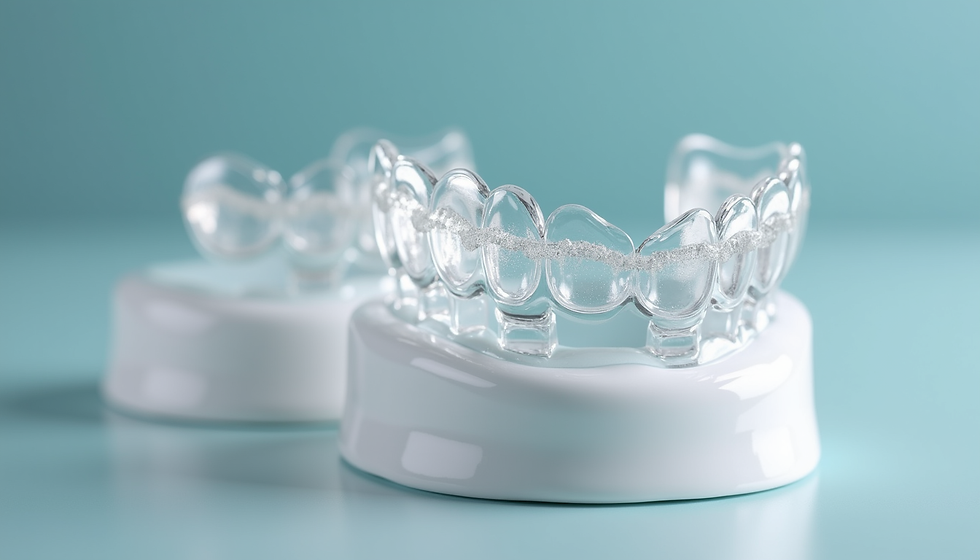
Dental sleep appliances, also called mandibular advancement devices, fit like mouthguards worn during sleep. They gently move the lower jaw forward, which helps prevent the airway from collapsing. This reduces snoring and breathing interruptions.
Benefits of dental appliances include:
Improved airflow by opening the airway
Reduced snoring and fewer apnea events
Portability and ease of use compared to CPAP machines
Non-invasive treatment option without surgery
Custom fit for comfort and effectiveness
These devices require professional fitting and follow-up to ensure they work properly and do not cause jaw discomfort or bite changes.
What to Expect During a Dental Sleep Appliance Consultation
When you visit a dentist for sleep apnea evaluation, the process typically includes:
A detailed medical and sleep history review
Examination of your mouth, jaw, and airway
Discussion of your symptoms and previous sleep studies if available
Impressions or digital scans of your teeth for appliance fabrication
Explanation of treatment options and appliance use
The dentist may work closely with your sleep physician to coordinate care. After receiving the appliance, you will have follow-up visits to adjust the fit and monitor progress.
Lifestyle Changes That Support Sleep Apnea Treatment
Alongside dental appliances, certain lifestyle changes can improve sleep apnea symptoms:
Maintain a healthy weight to reduce airway pressure
Avoid alcohol and sedatives before bedtime, which relax throat muscles
Sleep on your side instead of your back to prevent airway collapse
Establish a regular sleep schedule for better rest
Quit smoking to reduce inflammation and airway irritation
Combining these habits with dental treatment can enhance results and overall health.
When to Seek Medical Attention Immediately
Sleep apnea can sometimes cause serious complications. Seek urgent medical care if you experience:
Severe daytime sleepiness causing dangerous situations like falling asleep while driving
Chest pain or irregular heartbeat
Sudden shortness of breath or difficulty breathing during the day
Signs of stroke such as weakness, numbness, or difficulty speaking
These symptoms require prompt evaluation by a healthcare professional.


Comments